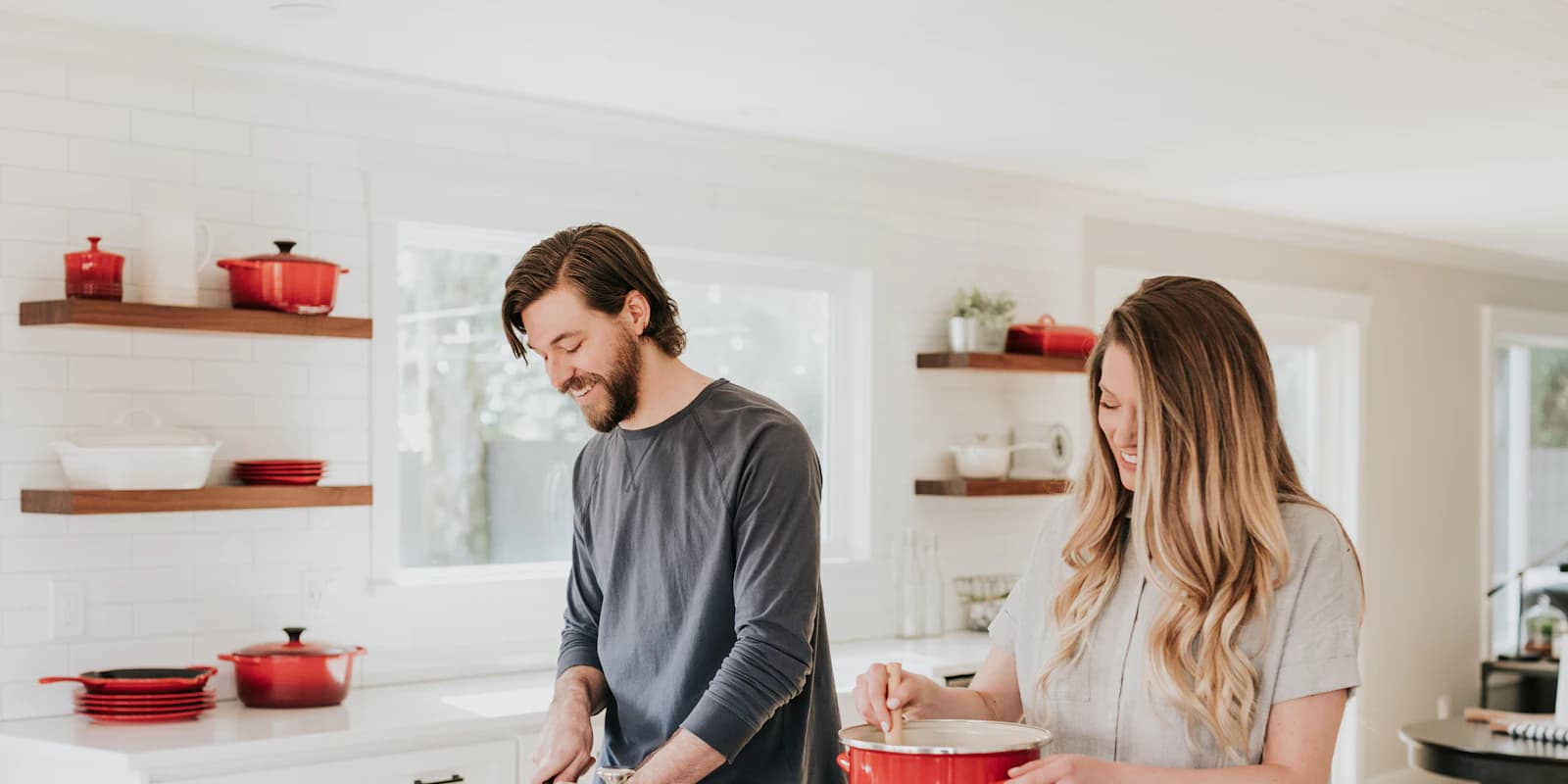
Chemistry is what makes you want a second date. Compatibility is what makes a relationship work over years. It is less about liking the same films and more about whether your values, plans and ways of living fit together well enough to build a shared life.
Shared core values
Values are the beliefs that guide your choices: honesty, family, ambition, faith, kindness, independence. You do not need identical values, but the most important ones should align. Couples who disagree about fundamental values often find the conflict comes back again and again.
Compatible life goals
Big life plans are hard to compromise on. Do you both want children? Where do you want to live? How important is career compared with family time? For international couples, which country might you settle in? These conversations do not need to happen on the first date, but they should happen before you are deeply invested.
- Children: whether, how many and roughly when.
- Location: city or countryside, and which country.
- Marriage: whether it matters to you, and in what form.
- Money: saving, spending and supporting family.
- Faith: its role in daily life and in raising children.
How you handle conflict
Every couple disagrees. What matters is how. Can you both stay respectful? Do you talk things through or avoid them? Do you apologize and move on? Watching how someone handles a small disagreement early tells you a lot about the future.
Communication style
Some people are direct and say exactly what they think. Others hint and expect you to read between the lines. Some need to talk immediately when something is wrong, and others need time. Different styles can work, but only if you both understand and respect them.
Everyday lifestyle
Small daily habits add up: sleep schedules, tidiness, how social you are, how you spend weekends, whether you smoke or drink. None of these are deal breakers alone, but a lot of mismatches can create friction.
Emotional needs
How do you each show and receive care? Some people want words, some want time together, some want practical help. Understanding what makes each of you feel loved helps you meet each other's needs.
You can be yourself
In compatible relationships, people feel accepted. You do not have to hide parts of yourself or constantly adjust to keep the peace. You can disagree without fearing the relationship will fall apart.
Differences can be healthy
Compatible does not mean identical. Different interests, backgrounds and strengths can make a relationship richer. Many international couples find that different cultures bring new ideas into their shared life. What matters is that the differences are ones you both value or can live with.
How to find out
Spend time together in different situations: with friends, under stress, on a boring weekday. Ask open questions about values and plans, and share your own honestly. Notice not just what they say but how they act. Compatibility reveals itself over time.