In some cultures, meeting the family is a casual dinner. In others, it is close to an engagement. When you and your partner grew up in different places, it is worth finding out which one this is before you arrive.
Ask your partner first
Your partner is your best guide. Ask the questions you might feel shy about, ideally a week or two before.
- What does meeting the family mean to them? A friendly visit, or a sign we are serious?
- Who will be there, and who matters most to win over?
- How should I greet people? Handshake, hug, kisses on the cheek, a bow?
- What should I call their parents? First names, a title, or something else?
- Is there anything I should not talk about, eat, wear or do?
- What will they likely ask me, and how should I answer?
Bring something
A small gift is welcome almost everywhere. Something from your own country works well, like a local sweet, tea or a small item from your hometown. Ask your partner whether alcohol is appropriate and whether there are any customs about how gifts are given or opened.
Learn a few phrases
Even if you will mostly speak through your partner, learning to say hello, thank you, and "this is delicious" in their family's language makes a strong first impression. Parents notice the effort more than the accent.
At the table
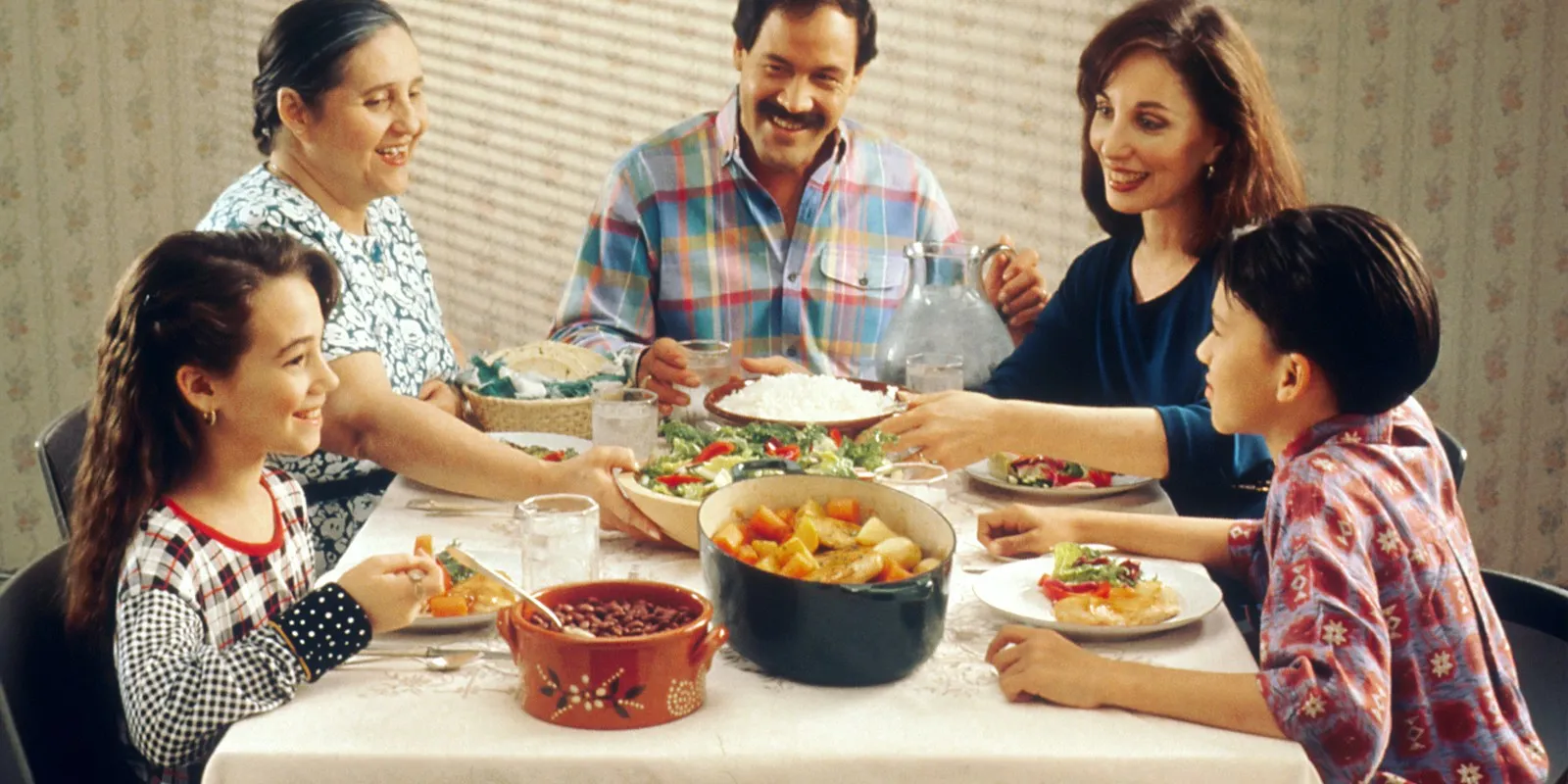
Food is often where cultures show up most. You may be offered dish after dish, and refusing can seem rude in some places, while finishing everything can mean you want more in others. Follow your partner's lead, try a little of everything, and say how much you are enjoying it.
The questions you may get
Parents everywhere want to know their child will be happy and safe. Depending on the culture, that can mean direct questions about your job, income, religion, plans for children, or where you will live. They can feel intrusive. They are usually a sign of caring. Answer honestly and warmly, and let your partner step in if a topic is one you have not discussed together yet.
When it feels strange
Something will surprise you. Maybe the volume, maybe the formality, maybe how openly people comment on your appearance or your plans. Try not to judge it in the moment. Ask your partner about it later, in private. Often there is a simple explanation that makes it make sense.
If it does not go perfectly
First meetings are often stiff on both sides, especially with a language gap. Families warm up over time. What matters most is that you and your partner talk it through afterward and stay on the same side. Our guide to dating across cultures covers how couples handle family expectations in the longer run.