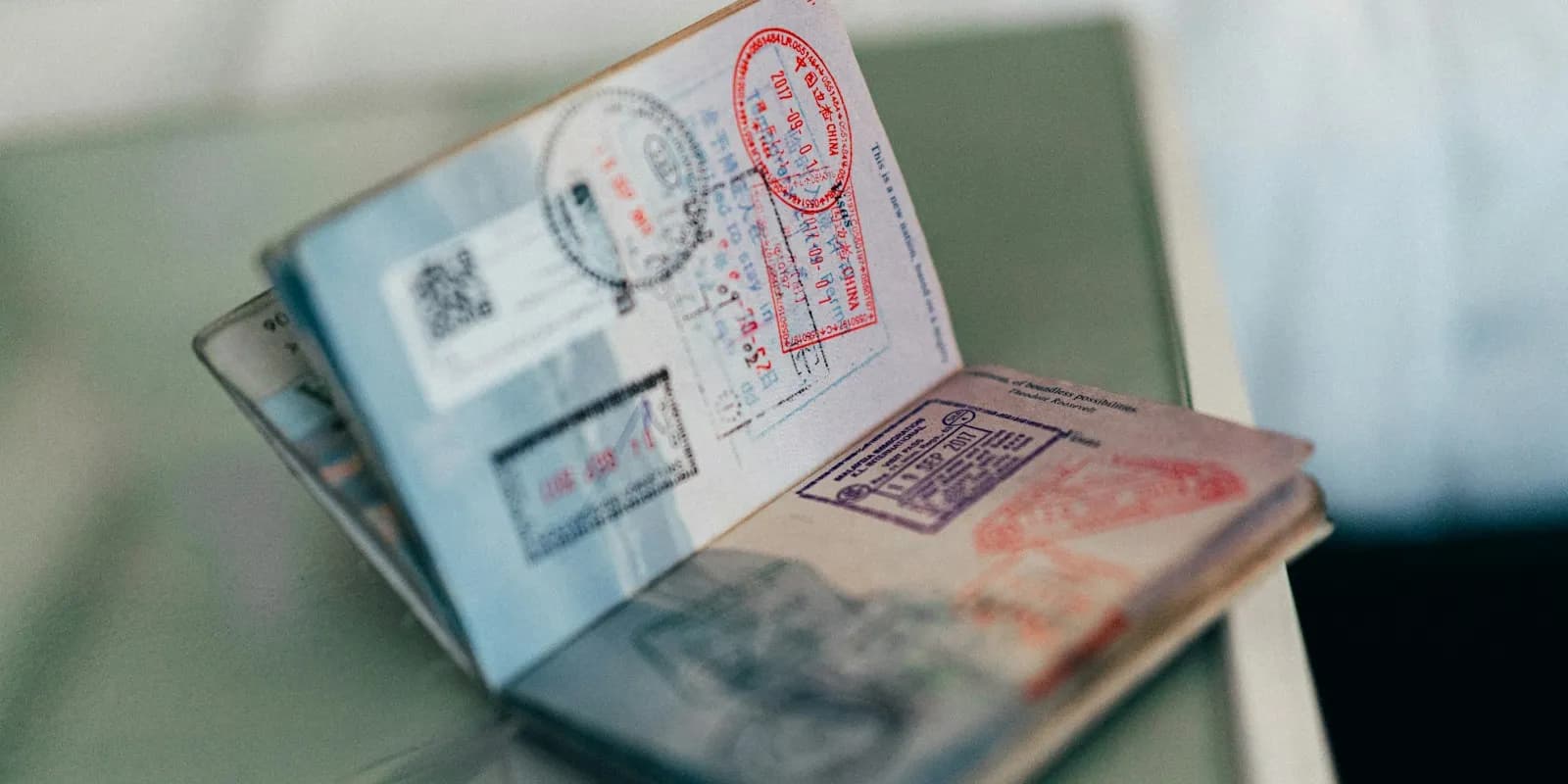
Nobody wants to talk about immigration rules on a third date. But if you are falling for someone in another country, visas will shape your relationship more than almost anything else: how long you can visit, whether you can work, and where you can eventually live together. A little knowledge early saves a lot of heartbreak later.
Start with visiting
The first question is simple: can you each visit the other's country easily? Some passports can travel visa-free for short stays. Others need a visitor visa, which may take weeks and require proof of money, a return ticket, and ties to home. Check this for both directions. It often turns out one of you will do most of the traveling.
Questions worth asking each other
- How long can each of us stay in the other's country on a visit?
- Do either of us hold a second citizenship that makes things easier?
- Could either of us work, study or move for a job in the other's country?
- If we want to live together one day, which country is more realistic?
- Is there a third country where we could both live more easily?
Common routes couples use
Every country is different, but most couples who close the distance use one of a few kinds of routes.
- Work visas, where one partner gets a job in the other's country.
- Study visas, often used by younger couples or those changing careers.
- Partner, fiancé or spouse visas, which usually require proof that the relationship is genuine.
- Working holiday or youth mobility schemes, available between some countries for people under a certain age.
- Free movement areas, such as within the European Union for EU citizens.
Proving your relationship is real
Partner visas often ask for evidence of a real, continuing relationship. That can include photos together over time, travel records, messages and call history. You do not need to plan for this from day one, but it does no harm to keep your photos and travel bookings rather than deleting them.
Time and money
Long-term visas can take months, sometimes over a year, and cost a significant amount in fees, translations and documents. Some require a minimum income. Knowing roughly what is involved helps you plan when to close the distance and how to budget for it.
Watch out for these
- Someone who asks you to send money "for the visa" before you have met. This is a common scam.
- Pressure to marry quickly just to solve a visa problem.
- Advice from websites or agents who promise guaranteed results. Use official sources.
- Overstaying a visitor visa. It can lead to bans that make future visits much harder.
Make the plan together
Visa planning works best as a shared project, not something one partner quietly worries about. Sit down with the official websites for both countries, write down the options, and decide together which one to explore first. It turns a frightening topic into a step toward a shared future.