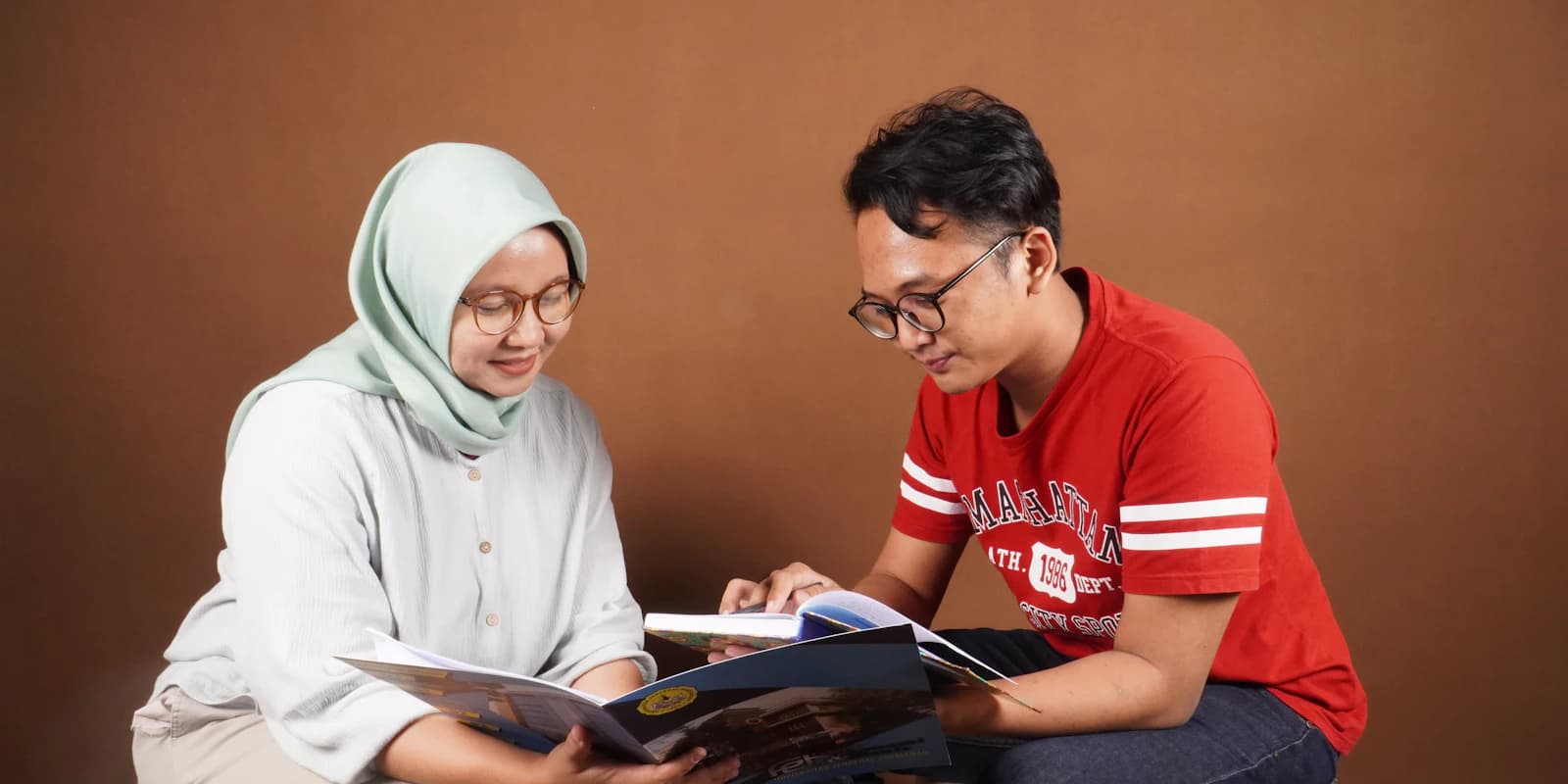
Plenty of happy couples started out with a language gap. Some met with only a few words in common and a translation app. Others shared a second language that neither spoke perfectly. It can be slower at the start, but it often makes people more patient and more careful with each other.
Use translation, but do not hide behind it
Translation tools are good enough now to carry a real conversation. Ameluno translates messages automatically and always keeps the original visible. Use them freely, especially early on. But try to pick up a few words of each other's language too. It shows effort and gives you something to laugh about together.
Write so you are easy to understand
- Use short sentences with one idea each.
- Avoid slang, idioms and sarcasm, at least at first. "It's raining cats and dogs" does not translate well.
- Use emoji to show tone. A smiley face can stop a blunt sentence from sounding cold.
- If something sounds odd, ask what they meant before reacting.
Expect some misunderstandings
They will happen. Directness varies a lot between languages, so a sentence that sounds polite in one can come across as rude or overly formal in another. When something stings, assume good intent and ask. A simple "I'm not sure I understood, do you mean...?" clears up most problems.
Talk on video more than you think you need to
Text is efficient but flat. Voice and video carry warmth, humor and patience that are hard to put into words, especially in a second language. Facial expressions fill in a lot of gaps. Many couples find their connection really takes off once they start calling regularly.
Learn each other's language, slowly
You do not need to become fluent before you meet. Start with greetings, pet names and the words for food you both like. Ask your partner to teach you a phrase a week. If things get serious, a proper course or a tutor is worth it, especially if you will spend time with their family, who may not speak your language at all.
Share the effort
It can feel unfair if one person always has to speak the other's language. Some couples alternate, some mix both, and some settle on a third language they both speak. Talk about it openly so neither of you feels like you are always the one working harder.
Learn the words that matter in a relationship
Some words are worth learning early. Greetings and goodbyes, "thank you", "I miss you", "good morning" and "sleep well" come up every day. Learning how to say them in your partner's language takes very little time and means a lot. As things develop, ask them to teach you the affectionate nicknames people use where they are from. Many couples end up with a private vocabulary that mixes both languages.
Meeting their family when you cannot speak the language
This can feel daunting, but families are often more forgiving than people expect. Learn a few polite phrases and how to greet older relatives. Ask your partner to help translate and to brief you on topics to avoid. Smiling, offering to help in the kitchen and showing interest in family photos all communicate a great deal without words.
When you argue across a language gap
Disagreements are harder when you cannot find the right words. Slow down, keep sentences simple, and check that you understood each other before responding. It can help to write things down, or to take a break and come back to the conversation when you are both calmer. Many couples find that arguing in a second language makes them more careful with their words, which is not a bad thing.
Resources that help
- A language app for daily practice in small doses.
- Films and series in your partner's language, with subtitles in yours at first.
- Music. Ask your partner for songs they grew up with and look up the lyrics together.
- A tutor or class once things get serious, especially before a long visit or a move.
Above all, be patient with yourselves. Fluency takes years, but connection does not need fluency. It needs effort and curiosity from both sides.